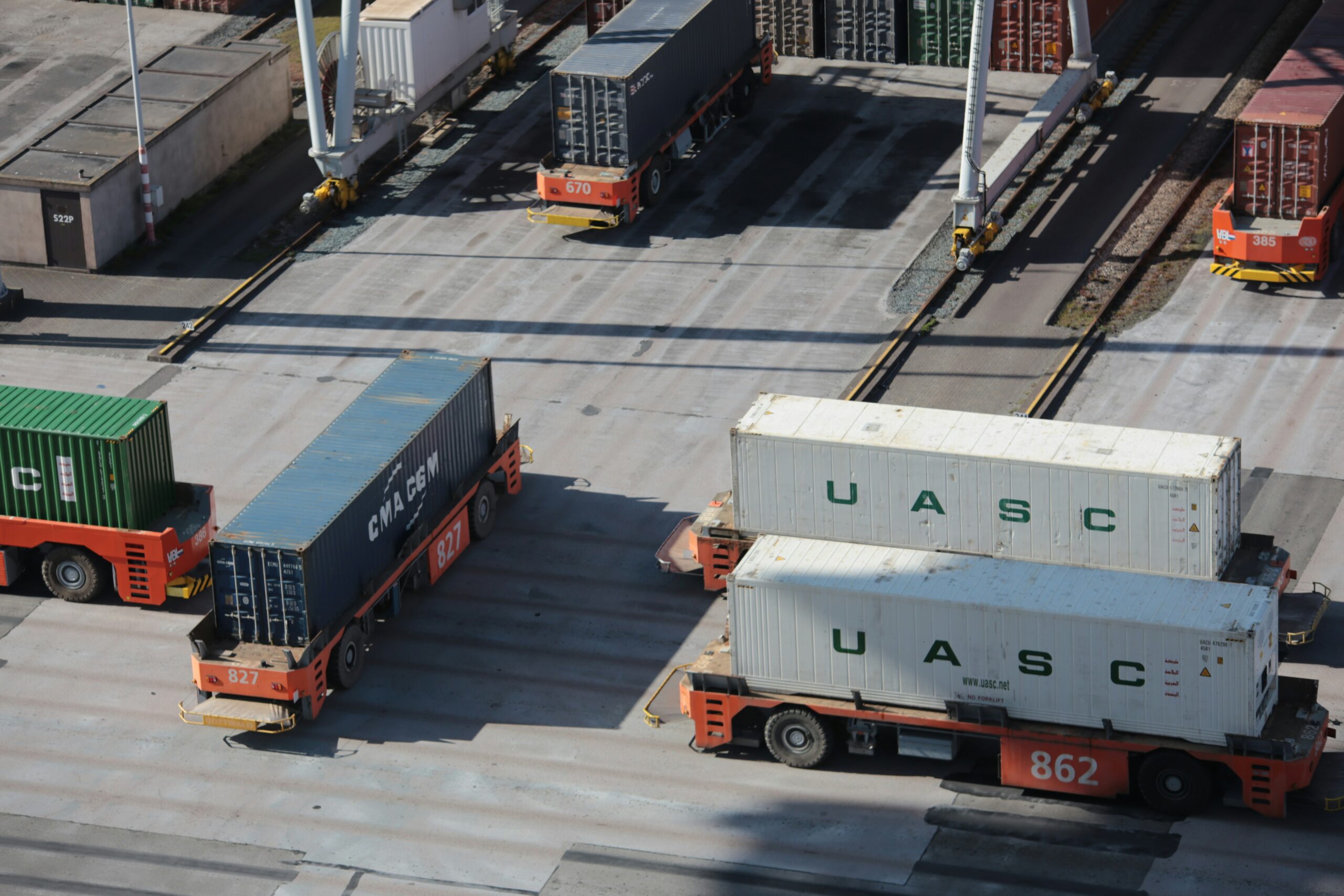
Transportation influences how people live, work, shop, travel, and stay connected with others across their communities daily. Every day, millions of people rely on cars, buses, trains, bicycles, and other forms of transportation to reach their destinations. However, growing populations, traffic congestion, environmental concerns, and changing technology continue to challenge traditional transportation systems. As a result, cities, businesses, and communities increasingly explore modern solutions that can make travel more efficient, accessible, and convenient.
At the same time, modern transportation involves more than simply moving people from one place to another. New approaches focus on improving safety, reducing delays, using resources wisely, and creating better travel experiences. Furthermore, advances in electric vehicles, public transit, digital technology, and shared mobility continue to reshape transportation. By combining practical infrastructure with innovative ideas, communities can build transportation networks that better support modern life.
Building Smarter Public Transportation Systems
Public transportation remains an important part of mobility in many communities. Buses, trains, subways, and other transit services allow large numbers of people to travel without relying on individual vehicles. Moreover, reliable public transit can help reduce traffic congestion by giving commuters practical alternatives to driving. When cities improve routes, schedules, stations, and connections, they can make public transportation easier to use.
Meanwhile, technology can make these systems more responsive to passenger needs. Real-time arrival information, mobile ticketing, digital payment options, and route-planning applications help travelers make better decisions. Additionally, transit agencies can study travel patterns to identify busy routes and adjust services accordingly. As public transportation becomes more connected and convenient, it can play a stronger role in modern mobility.
Expanding the Role of Electric Vehicles
Electric vehicles have become an increasingly visible part of the transportation landscape. Instead of relying entirely on gasoline or diesel fuel, electric cars use battery-powered systems for everyday travel. Consequently, automakers continue to develop electric models for different needs, including passenger cars, delivery vehicles, buses, and commercial fleets.
However, wider electric vehicle adoption also requires supporting infrastructure. Communities need accessible charging stations in convenient locations, while businesses and property owners may need to consider charging options for employees, residents, and customers. Furthermore, improvements in battery technology and charging systems may make electric transportation more practical for additional drivers. Together, vehicles and infrastructure will shape how quickly electric mobility expands.
Using Technology to Improve Traffic Flow
Traffic congestion creates frustration, wastes time, and can make transportation networks less efficient. Fortunately, modern technology gives transportation planners new ways to understand and manage traffic. Smart traffic signals, connected sensors, navigation platforms, and traffic monitoring systems can provide useful information about road conditions. Therefore, cities can respond more effectively when congestion develops.
In addition, real-time data can help drivers choose alternative routes before they encounter major delays. Transportation agencies can also analyze patterns to identify intersections or roads that regularly experience problems. As a result, planners can make targeted improvements instead of relying only on broad changes. Although technology cannot eliminate every traffic problem, it can help communities use existing roads more efficiently.
Creating More Options for Short Trips
Not every journey requires a car, bus, or train. In many areas, walking, cycling, and other forms of small-scale mobility can provide practical options for shorter trips. For example, protected bicycle lanes, safe sidewalks, convenient crossings, and secure bicycle parking can encourage people to consider alternatives to driving. Furthermore, these improvements can connect neighborhoods with schools, businesses, parks, and transit stations.
At the same time, shared bicycles and electric scooters have expanded transportation choices in some communities. These services can help people cover short distances or complete the final part of a longer transit journey. However, cities need clear rules, safe infrastructure, and thoughtful planning to integrate these options effectively. When communities design streets for different types of travelers, they can create a more flexible transportation environment.
Connecting Different Forms of Transportation
Modern transportation works best when different travel options connect smoothly. A commuter, for instance, might walk to a bus stop, take a bus to a train station, and use a bicycle for the final portion of the trip. Therefore, transportation planning increasingly focuses on connections between different modes rather than treating each system separately.
Additionally, digital tools can make these connections easier to understand. A single application may help travelers compare routes, check schedules, estimate travel times, or find nearby mobility services. Better physical connections also matter, including safe pedestrian paths, bicycle parking, and convenient transfer points. Consequently, integrated transportation systems can give travelers greater flexibility when planning daily trips.
Improving Transportation Safety
Safety remains one of the most important goals of any transportation system. Road design, lighting, signage, crosswalks, vehicle technology, and driver behavior all influence how safely people travel. Therefore, communities can improve transportation by identifying high-risk areas and making practical changes that protect drivers, cyclists, pedestrians, and transit passengers.
Meanwhile, modern vehicles increasingly include technologies designed to help drivers recognize potential hazards. Features such as automatic emergency braking, lane assistance, and blind-spot monitoring can provide additional information during a trip. However, technology works best when combined with responsible driving and well-designed infrastructure. By addressing safety from several directions, transportation systems can better serve everyone who uses them.
Preparing Transportation for Future Needs
Transportation needs will continue to change as communities grow and technology develops. Consequently, long-term planning should consider population changes, housing development, employment centers, public transit demand, and evolving travel habits. Flexible planning allows communities to adjust transportation systems instead of waiting until congestion or infrastructure problems become severe.
Furthermore, cooperation among governments, transportation agencies, businesses, technology companies, and local communities can support more practical solutions. Each group brings different knowledge and priorities to transportation planning. By working together, they can identify challenges earlier and invest in systems that provide lasting value.
Moving Toward Better Mobility
Modern transportation solutions offer opportunities to make everyday travel more connected, efficient, and adaptable. Public transit improvements, electric vehicles, smarter traffic management, active transportation, and digital tools all contribute to this transformation. Moreover, successful transportation planning considers how these solutions work together rather than viewing them as isolated developments.
Ultimately, the future of transportation will depend on thoughtful choices and continued innovation. Communities must balance technology with infrastructure, accessibility, safety, and real-world travel needs. As transportation systems evolve, practical solutions can help people move more easily while supporting stronger connections between neighborhoods, workplaces, services, and opportunities.