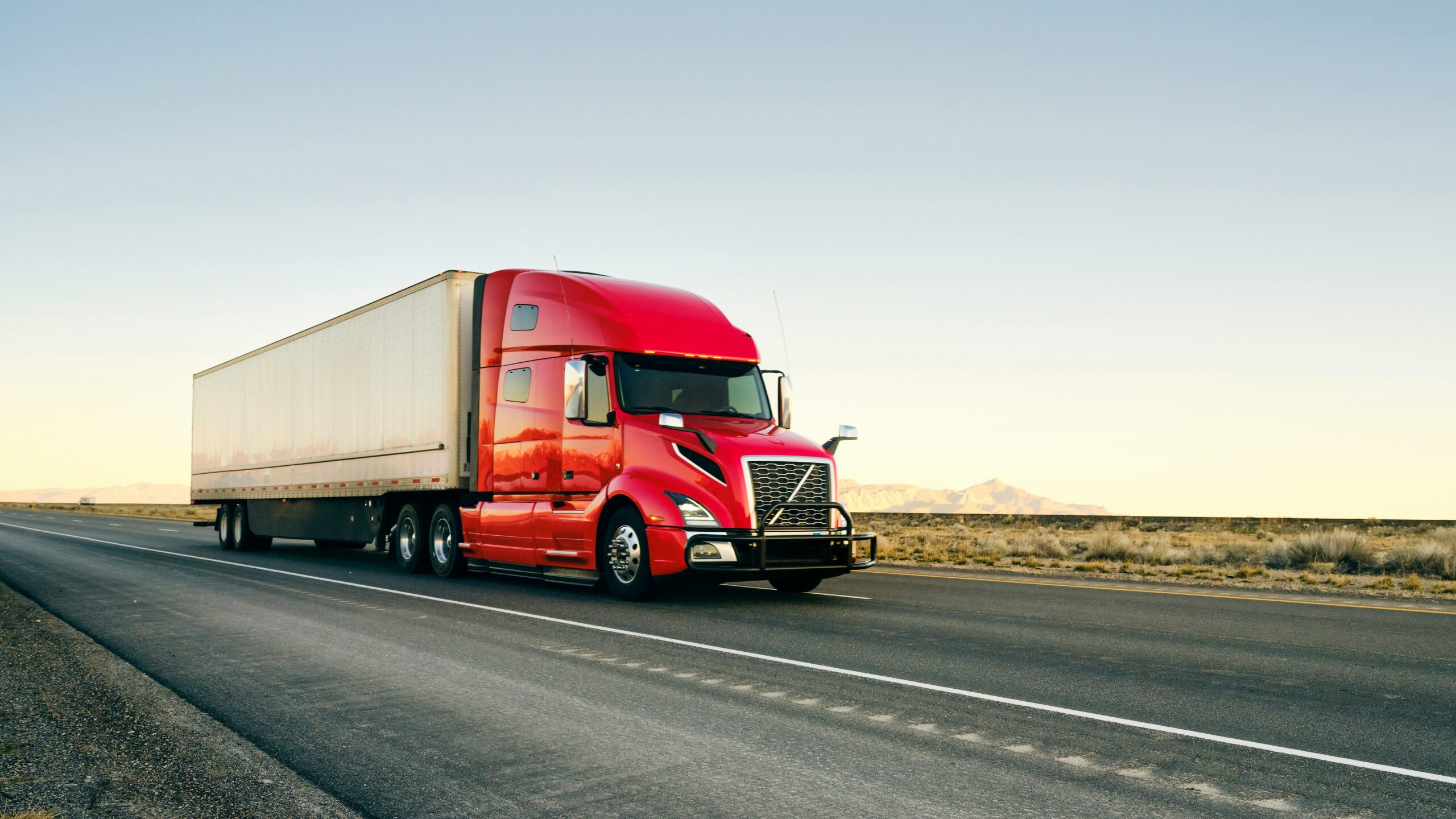
Transportation is one of the most important parts of modern society because it connects people, businesses, and communities worldwide. The growing demand for faster, safer movement has spurred companies to develop advanced transportation solutions to improve daily operations. New technologies are changing how vehicles travel, how goods are delivered, and how cities manage traffic. Businesses are focusing on creating systems that save time, reduce costs, and improve customer experiences. Modern transportation is no longer only about moving from one place to another. It is now about creating smart networks that support economic growth and better lifestyles. Digital tools, automation, and sustainable methods are helping companies solve many transportation challenges. These improvements are making travel and delivery services more reliable than before. As industries continue to grow, innovative transportation methods will play a major role in shaping the future of global mobility.
Smart Systems Improving Transportation Management
Technology has become a key factor in improving transportation management across different industries. Companies are using smart systems to organize vehicles, monitor routes, and manage deliveries more effectively. These systems provide real-time information that helps businesses make faster decisions. GPS tracking allows transportation teams to follow vehicles and understand travel conditions. This reduces uncertainty and helps companies provide better delivery updates to customers. Artificial intelligence is also helping businesses analyze traffic patterns and improve route planning. Smart software can identify problems and suggest solutions before they affect operations. These tools create smoother transportation processes and improve overall efficiency. Businesses are using digital technology to build stronger and more connected transportation networks.
Connected systems are also helping transportation companies improve safety and reliability. Sensors installed in vehicles can collect data on performance, fuel consumption, and maintenance needs. This allows businesses to fix problems before they become major issues. Smart monitoring systems help reduce unexpected delays and improve vehicle performance. Companies can also use digital reports to understand transportation trends and improve planning. These improvements help businesses provide more consistent services to customers. Technology is creating better communication between drivers, managers, and customers. As smart systems continue to develop, transportation networks will become more flexible and easier to manage. The combination of technology and transportation is creating new possibilities for future growth.
Sustainable Mobility: Creating Cleaner Transportation
Environmental concerns are changing the way companies approach transportation. Businesses are seeking cleaner methods to reduce pollution and support long-term sustainability. Electric vehicles are becoming an important part of modern transportation because they use less traditional fuel. Many companies are adding electric delivery vehicles to reduce their environmental impact. Public transportation systems are also improving through cleaner energy options. These changes help create healthier communities while supporting business goals. Sustainable transportation methods are becoming more popular because they offer both environmental and economic benefits. Companies understand that responsible practices can improve their reputation and customer relationships. The shift toward cleaner mobility is creating a new direction for the transportation industry.
Sustainable transportation includes more than just using electric vehicles. It also involves better planning, improved infrastructure, and efficient resource management. Companies are using technology to create shorter routes and reduce unnecessary travel. Better route planning helps lower fuel consumption and operating expenses. Cities are developing smarter transportation systems that support easier travel and reduce traffic problems. Eco-friendly mobility solutions are helping businesses and communities create cleaner transportation networks. These solutions focus on reducing environmental damage while improving movement efficiency. The continued development of sustainable methods will influence how people and products travel in the future. Green transportation is becoming a major part of modern mobility strategies.
Automation Enhancing Transportation Performance
Automation is transforming the way businesses manage transportation activities. Companies are using automated systems to improve speed, accuracy, and productivity. Warehouses are becoming smarter with machines that organize products and prepare shipments. These systems reduce manual errors and allow companies to handle larger operations. Automation helps employees focus on important tasks such as planning and customer support. Smart machines can complete repeated activities faster and with greater consistency. This creates more efficient transportation processes and improves service quality. Businesses are adopting automation because it helps them meet growing customer expectations. The use of advanced machines is creating stronger transportation networks.
Automated technology is also improving delivery operations and supply chain management. Companies can use smart systems to schedule deliveries and monitor transportation activities. Automated tracking tools provide clear information about shipment locations and arrival times. This improves communication between businesses and customers. Automation also helps companies reduce unnecessary costs by improving resource use. Businesses can analyze transportation activities and make better decisions through automated reports. These systems support faster responses when problems appear during operations. As automation continues to improve, transportation companies will become more efficient and adaptable. The future of transportation will depend on combining human knowledge with smart technology.
Data Analytics Supporting Better Transportation Decisions
Data has become a valuable resource for companies that want to improve transportation performance. Businesses collect information from vehicles, customers, and daily operations to better understand their systems. Data analysis helps companies identify problems and discover new opportunities. Managers can use information to improve routes, reduce delays, and manage resources more effectively. Real-time data allows businesses to respond quickly to changing situations. This creates smoother operations and improves customer satisfaction. Companies can also use data to predict future demands and prepare better strategies. The ability to understand information is becoming essential for transportation success. Data-driven planning is helping businesses create more reliable transportation systems.
Advanced analytics tools are improving many areas of transportation management. Companies can study travel patterns and identify ways to improve efficiency. Data helps businesses understand vehicle performance and reduce maintenance problems. It also supports safer practices by identifying potential risks. Transportation providers can create stronger services by using accurate information. Customers benefit from better tracking systems and more reliable delivery schedules. Data technology is making transportation networks more organized and responsive. As the industry becomes more complex, companies will continue using analytics to improve their operations. Smart data solutions will remain an important part of transportation development.
Future Trends Shaping Transportation Innovation
The future of transportation will continue to evolve as new technologies and ideas emerge. Companies are exploring advanced systems to improve mobility, safety, and efficiency. Autonomous vehicles may become more common in transportation networks around the world. Smart cities are also developing connected systems that improve traffic control and public travel. These innovations can create better experiences for both businesses and consumers. Transportation companies will continue to invest in solutions that enable faster, cleaner movement. The industry will focus on creating flexible systems that can adapt to changing needs. Innovation will remain a powerful force in shaping transportation growth. The next generation of mobility will depend on smart planning and advanced technology.
Future transportation networks will focus on creating stronger connections between people, businesses, and technology. Companies will need to adopt new methods to remain competitive in changing markets. Future mobility innovations will help create faster services, cleaner systems, and improved transportation experiences. These developments will support global trade and improve everyday travel. Businesses that embrace innovation will have better opportunities to grow and succeed. Modern transportation will continue evolving through creativity, technology, and sustainable thinking. The journey ahead will be shaped by smarter systems that make movement easier, safer, and more efficient.