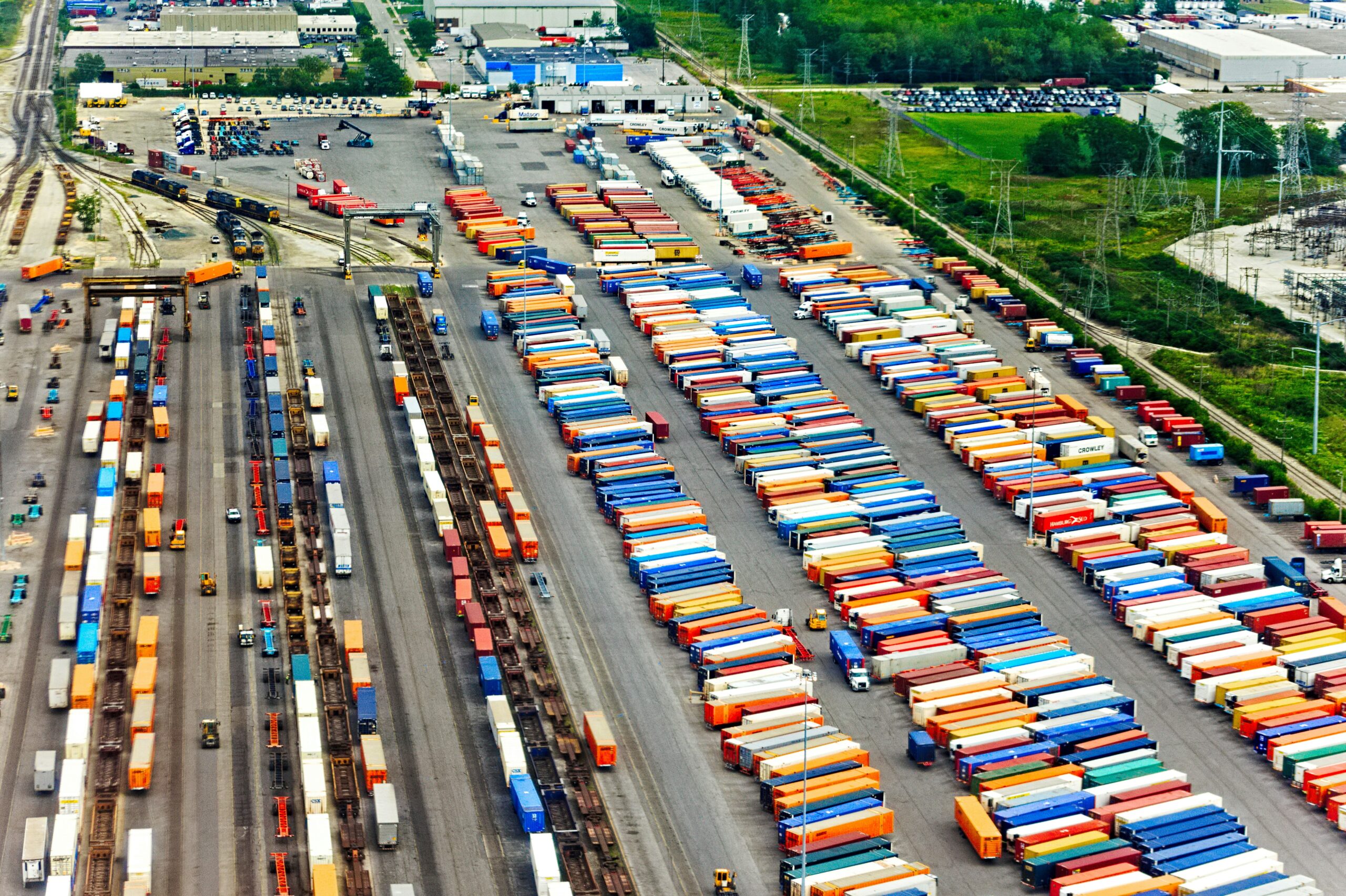
Effective transportation management starts with a clear plan. Every successful operation depends on organized scheduling, reliable communication, and efficient resource use. When companies build strong systems from the start, they reduce delays and improve service. As a result, they can move goods faster and meet customer expectations more consistently.
Transportation managers must understand how every part of the process connects. Routes, carriers, warehouses, fuel costs, and delivery windows all affect performance. Therefore, strong oversight helps reduce waste and improve decision-making. In many cases, small improvements in planning can lead to major gains in efficiency.
Moreover, transportation management works best when businesses set clear goals. Some focus on lowering shipping costs, while others prioritize speed or service quality. However, the most successful companies balance all three. They monitor performance closely and adjust strategies when needed.
Technology also plays a major role in building that foundation. Transportation management systems help track shipments, automate paperwork, and improve visibility. Because of these tools, managers can respond quickly when conditions change. That flexibility supports stronger operations and fewer disruptions.
Improving Route Planning for Better Efficiency
Route planning sits at the heart of transportation management. A poorly planned route wastes fuel, increases labor costs, and delays deliveries. In contrast, optimized routes save time and improve customer satisfaction. That is why many companies invest heavily in route analysis.
Modern route planning uses real-time data to improve decisions. Traffic patterns, road conditions, and weather updates help managers choose better paths. As a result, drivers spend less time stuck in congestion and more time making deliveries. This improves both productivity and service reliability.
Additionally, route optimization helps reduce fuel use. When trucks travel fewer unnecessary miles, companies lower costs while supporting sustainability goals. That matters even more as fuel prices rise. Therefore, efficient routing has both financial and environmental value.
Many businesses also use predictive tools to improve long-term planning. These tools analyze shipping trends and identify patterns over time. Then managers can prepare for seasonal demand changes or recurring delays. Consequently, operations become more stable and responsive.
Strengthening Fleet Performance and Maintenance
Fleet performance directly affects transportation success. Vehicles must stay reliable, safe, and ready to operate. Without proper maintenance, breakdowns can disrupt schedules and increase costs. For that reason, preventive care is essential.
Regular inspections help catch problems early. Tire wear, brake issues, and engine concerns often show warning signs before failure occurs. When managers address those signs quickly, they avoid costly downtime. As a result, the fleet stays productive and dependable.
Furthermore, telematics has transformed fleet management. These systems monitor vehicle health, driver behavior, and fuel use in real time. Because of this visibility, companies can improve performance across multiple areas. They can reduce idle time, improve safety, and lower maintenance expenses.
Driver training also supports stronger fleet operations. Skilled drivers use fuel more efficiently and handle equipment with greater care. Moreover, they often make better decisions on the road. This reduces accidents and protects valuable assets.
When businesses combine maintenance planning with driver support and digital monitoring, fleet performance improves significantly. In turn, transportation management becomes more efficient and reliable.
Using Data to Improve Transportation Decisions
Data has become one of the most valuable tools in transportation management. It helps businesses understand what works, what causes delays, and where costs rise. With accurate information, managers can make smarter choices.
Shipment tracking data provides one clear example. Managers can monitor delivery times, compare carrier performance, and spot recurring issues. Then they can adjust strategies based on facts rather than assumptions. Consequently, decision-making becomes faster and more effective.
In addition, analytics can improve cost control. Transportation expenses often include fuel, labor, maintenance, and tolls. By studying those costs closely, companies find opportunities to reduce spending. Even small savings across thousands of shipments can create major results.
Data also improves customer service. Real-time tracking gives customers better visibility into shipments. Meanwhile, businesses can provide accurate delivery updates and respond quickly when problems arise. This strengthens trust and improves satisfaction.
As technology advances, predictive analytics offers even greater value. Companies can forecast demand shifts, anticipate disruptions, and plan around risks. Therefore, data does not just support daily operations; it shapes long-term transportation strategy.
Managing Costs Without Sacrificing Service
Cost control remains a major challenge in transportation. Fuel prices change, labor costs rise, and supply chain pressures can affect budgets. Still, effective transportation management balances costs without hurting service quality.
One key strategy is improving load efficiency. When companies maximize trailer space and reduce empty miles, they improve productivity. As a result, they move more freight with fewer trips. That lowers expenses while maintaining service levels.
Carrier selection also affects cost management. Some businesses rely on a mix of private fleets and third-party providers. This approach can improve flexibility and create competitive pricing. Moreover, strong carrier relationships often lead to better service and long-term savings.
Another important factor is shipment consolidation. Instead of sending multiple small loads, companies often combine freight when possible. This reduces transportation costs and improves network efficiency. Therefore, smart consolidation supports both savings and smoother operations.
However, cost-cutting should never weaken reliability. Late deliveries or damaged shipments often cost more in the long run. For that reason, the best transportation strategies focus on efficiency rather than simply reducing expenses.
Strengthening Compliance and Risk Management
Transportation management involves more than moving freight. It also includes safety regulations, legal requirements, and operational risks. Strong compliance practices protect both businesses and customers.
Regulations can cover driver hours, vehicle inspections, hazardous materials, and documentation. Because these rules change over time, companies must stay informed. Regular training helps teams meet standards and avoid violations.
Risk management also includes preparing for disruptions. Severe weather, labor shortages, and supply chain interruptions can affect deliveries. However, companies with contingency plans respond more effectively. They reroute shipments, adjust schedules, and keep operations moving.
Insurance and cargo security also play important roles. Theft, accidents, and product damage can result in significant losses. Therefore, businesses often invest in stronger monitoring systems and secure handling procedures.
When compliance and risk planning work together, transportation systems become more resilient. That resilience supports long-term performance and protects customer relationships.
The Growing Role of Sustainability in Transportation
Sustainability now shapes transportation strategy across many industries. Businesses want to reduce emissions while controlling costs and improving efficiency. Fortunately, those goals often support each other.
Fuel-efficient routing is one example—better routes lower emissions while reducing expenses. Similarly, newer vehicles often use less fuel and require less maintenance. As a result, sustainability can improve performance and environmental outcomes.
Many fleets are also exploring alternative energy. Electric vehicles, hybrid models, and cleaner fuels continue to grow in transportation. Although adoption takes planning, these solutions offer long-term benefits.
In addition, companies are improving sustainability through logistics design. They reduce empty miles, improve warehouse coordination, and optimize shipment loads. Each improvement supports a greener supply chain.
Customers increasingly value environmental responsibility, too. Therefore, sustainable transportation can strengthen brand reputation and support business growth. It is no longer a side effort; it has become part of effective transportation management.