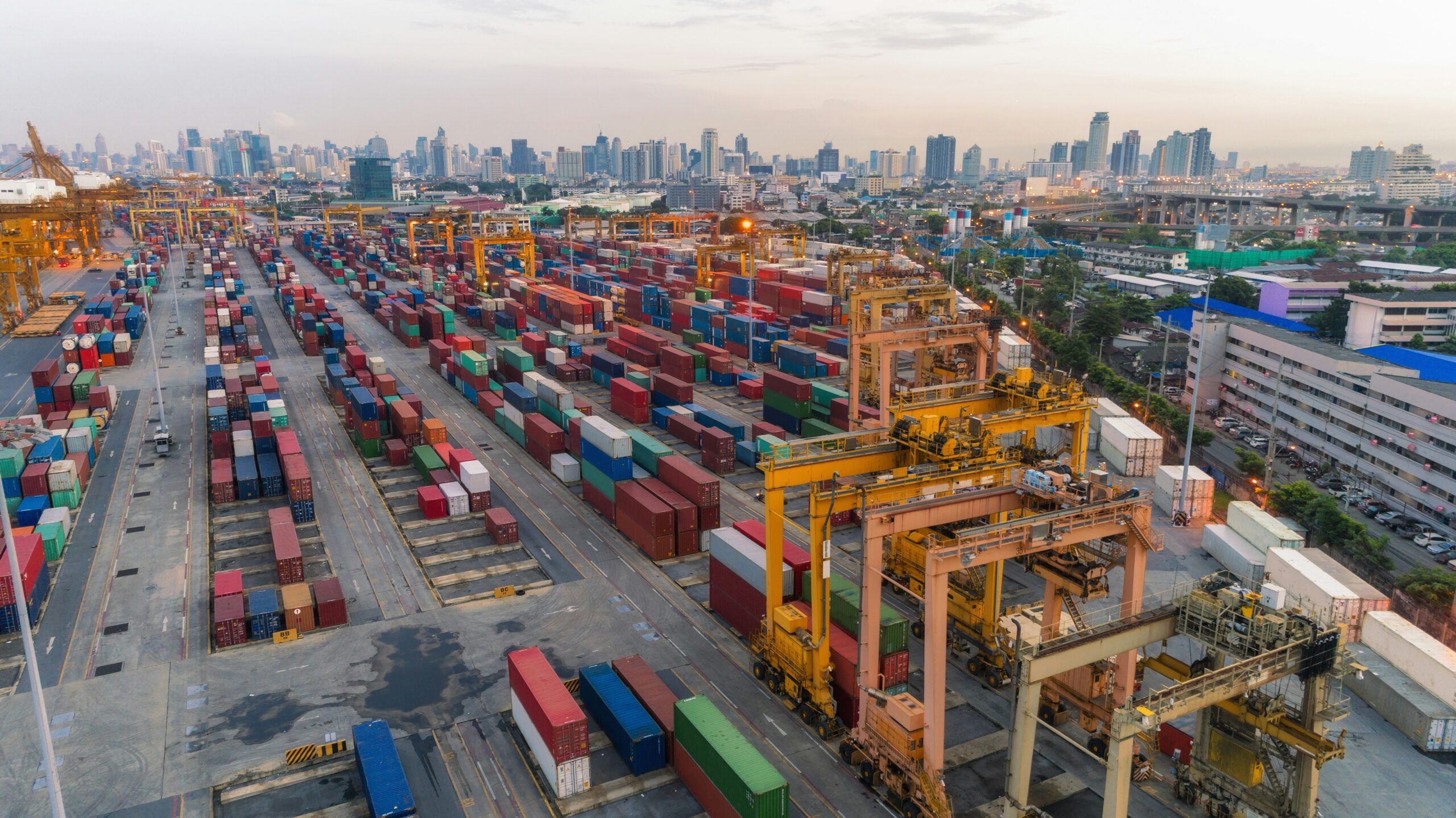
Smart logistics has become essential for businesses that want faster deliveries, lower expenses, and stronger customer satisfaction. Companies today face growing transportation challenges, including rising fuel costs, complex supply chains, and increasing customer expectations. As a result, businesses need modern approaches that improve shipment planning, tracking, and decision-making.
By adopting advanced strategies, organizations can create smoother operations and maintain a competitive advantage in a rapidly changing marketplace. Effective Freight Shipment Management helps companies connect modern technology, transportation, and operational planning to achieve better efficiency across the entire supply chain.
Improving Visibility Across Modern Shipping Operations
Real-time visibility plays an important role in improving transportation performance. Businesses can now use digital tracking systems to monitor shipments, identify delays, and understand delivery progress. Moreover, these tools help managers make faster decisions by providing accurate information on shipment locations and expected arrival times. As a result, companies can reduce uncertainty and improve customer communication.
Additionally, better visibility helps organizations recognize problems before they create major disruptions. For example, companies can quickly respond to weather issues, traffic conditions, or unexpected transportation delays. As a result, businesses can maintain reliable delivery schedules while building trust with customers and partners. This approach also supports better planning because teams gain a clearer understanding of daily logistics activities.
Using Data Analytics for Smarter Logistics Decisions
Data analytics has transformed the way companies manage transportation activities. Businesses can analyze historical shipment information, delivery patterns, and operational costs to discover areas for improvement. Analytics tools also help companies predict demand changes and plan transportation more effectively. This allows organizations to use resources more effectively while reducing unnecessary expenses.
However, successful data use requires accurate information and consistent monitoring. Companies should collect reliable data from transportation systems, warehouse operations, and customer orders. In addition, advanced analytics can identify inefficient routes, delays, and opportunities for improvement. As a result, businesses can build stronger logistics strategies that support long-term growth and operational stability.
Strengthening Warehouse and Inventory Coordination
Warehouse coordination directly affects shipment efficiency because poor inventory management can create delays and unnecessary costs. Businesses need accurate inventory records to ensure products remain available when customers place orders. Additionally, organized warehouse processes help teams prepare shipments faster and avoid handling mistakes.
Modern warehouse technologies, such as automated systems and digital inventory platforms, provide better control over daily activities. These solutions also improve communication between warehouse and transportation teams. As a result, companies can reduce order processing time and create smoother connections between warehouses and delivery networks. Efficient coordination also improves customer satisfaction because products reach destinations more reliably.
Optimizing Transportation Routes for Greater Performance
Route optimization helps companies speed up deliveries and control transportation costs. Instead of relying on traditional planning methods, businesses can use advanced software to identify the most efficient travel paths. Optimized routes also reduce fuel consumption and improve vehicle utilization. As a result, companies can complete more deliveries while using fewer resources.
Route planning should also consider multiple factors, including traffic patterns, delivery priorities, vehicle capacity, and customer requirements. By combining these details, businesses can create practical transportation schedules that improve overall performance. As a result, companies can increase productivity while providing more dependable delivery services. Smart route decisions also support better driver management and stronger operational control.
Enhancing Carrier Relationships and Transportation Networks
Strong relationships with transportation partners can improve service quality and reduce operational challenges. Companies should evaluate carrier performance, delivery reliability, and communication quality when selecting logistics partners. Maintaining positive relationships also encourages better cooperation and creates more flexible transportation options.
In addition, businesses can use performance data to review carrier results and identify areas that need improvement. Regular communication helps both companies and carriers understand expectations clearly. As a result, organizations can build dependable transportation networks that support consistent delivery performance. Strong partnerships also provide additional support during high-demand periods when shipping requirements increase.
Building Better Communication Through Digital Platforms
Effective communication connects every part of the supply chain. Businesses need clear information sharing between suppliers, warehouses, carriers, and customers to prevent confusion. Moreover, digital communication platforms allow teams to exchange updates quickly and maintain accurate shipment records.
Technology-driven communication also improves customer experiences by giving buyers timely updates on their orders. Additionally, automated notifications reduce the need for manual updates and allow employees to focus on more important tasks. As a result, companies can create a more transparent delivery process while improving internal efficiency. Better communication also helps organizations respond quickly to unexpected challenges.
Adopting Sustainable Freight Practices for Long-Term Growth
Sustainability has become an important consideration in modern transportation strategies. Businesses are now exploring cleaner transportation methods, efficient vehicle usage, and reduced packaging waste. Sustainable practices can also lower operating costs while supporting environmental goals. As a result, companies can improve their reputation and meet changing customer expectations.
Additionally, green logistics strategies encourage businesses to evaluate their entire supply chain. Companies can reduce unnecessary transportation movements, improve load planning, and select energy-efficient solutions. As a result, sustainability becomes more than an environmental responsibility because it also creates financial and operational benefits. Long-term sustainability planning can help businesses stay adaptable in future markets.
Preparing Future Logistics Operations With Innovation
The future of shipping will depend on continuous innovation and flexible business strategies. Technologies such as artificial intelligence, automation, and advanced forecasting tools will continue changing how companies manage transportation. Moreover, businesses that embrace innovation can respond more effectively to market changes and customer demands.
Successful logistics improvement requires ongoing evaluation and adaptation. Companies should regularly review their processes, invest in employee training, and explore new technologies that support better performance. Furthermore, organizations that focus on improvement can create stronger supply chains and maintain long-term competitiveness.