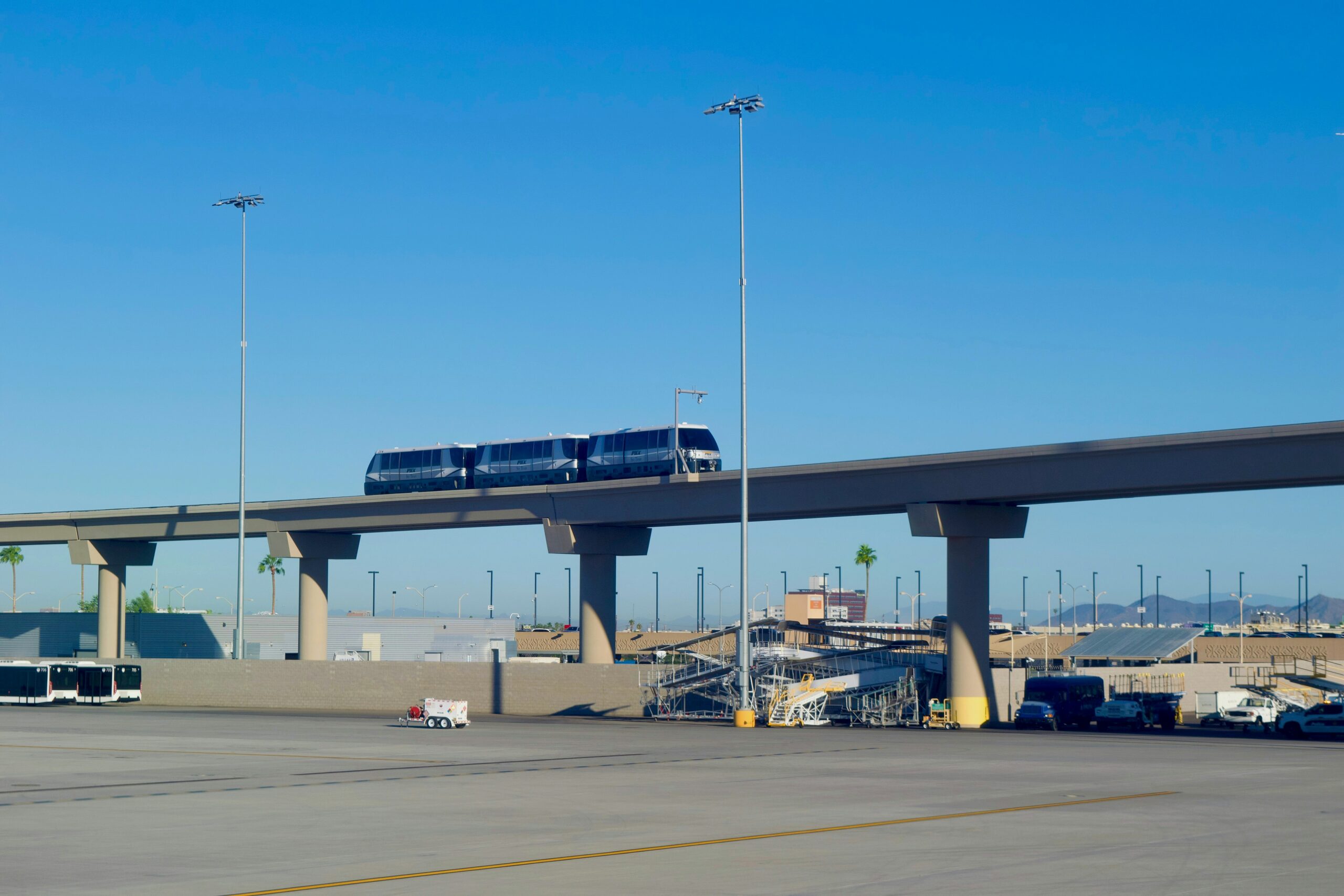
Transportation management sits at the heart of modern supply chains, influencing costs, delivery speed, and customer satisfaction. It involves planning, executing, and optimizing the movement of goods while balancing efficiency with reliability. As markets become more competitive, organizations that understand this role gain a clear advantage by reducing delays and maintaining consistent service levels.
Moreover, transportation management is no longer limited to moving products from point A to point B. It now includes data analysis, risk management, and coordination across multiple partners. When approached strategically, it supports broader business goals such as scalability, sustainability, and long-term profitability.
Building a Data-Driven Transportation Strategy
A strong transportation strategy begins with accurate and timely data. By collecting information on routes, fuel usage, delivery times, and carrier performance, businesses can make informed decisions rather than relying on assumptions. As a result, inefficiencies become easier to spot, and corrective actions can be implemented quickly.
In addition, data-driven strategies allow companies to forecast demand and prepare for seasonal fluctuations. For instance, historical trends can guide capacity planning and prevent last-minute disruptions. Consequently, organizations that rely on analytics often experience smoother operations and fewer costly surprises.
Optimizing Routes and Network Design
Route optimization is one of the most effective ways to improve transportation performance. By evaluating distance, traffic patterns, and delivery windows, companies can design routes that minimize fuel consumption and travel time. Therefore, even small adjustments can lead to significant savings over time.
At the same time, network design plays a critical role in long-term efficiency. Strategically placing distribution centers closer to customers reduces transit times and enhances responsiveness. Furthermore, a well-designed network provides flexibility, enabling businesses to adapt quickly when disruptions occur.
Leveraging Technology for Smarter Decisions
Technology has transformed transportation management, making real-time visibility a standard expectation. Tools such as transportation management systems (TMS), GPS tracking, and automated scheduling platforms streamline daily operations. As a result, managers gain better control over shipments and can respond immediately to unexpected issues.
Equally important, technology supports collaboration across the supply chain. Digital platforms allow shippers, carriers, and customers to share information seamlessly. Consequently, transparency improves trust, reduces miscommunication, and ensures that everyone works toward the same performance goals.
Managing Costs While Maintaining Service Quality
Cost control is a constant challenge in transportation management, especially with fluctuating fuel prices and labor shortages. To address this, organizations must balance cost-saving initiatives with service expectations. For example, consolidating shipments or negotiating long-term carrier contracts can lower expenses without sacrificing reliability.
However, focusing solely on cost can be risky. Poor service quality leads to delays and dissatisfied customers, which ultimately harms revenue. Therefore, successful transportation managers evaluate costs alongside performance metrics, ensuring that efficiency gains do not come at the expense of customer trust.
Strengthening Carrier Relationships and Collaboration
Strong relationships with carriers are essential for consistent transportation performance. By treating carriers as strategic partners rather than interchangeable vendors, businesses encourage loyalty and accountability. This approach often results in better service, priority capacity, and more favorable pricing.
Furthermore, collaboration fosters innovation. When shippers and carriers share insights and challenges, they can jointly develop solutions to common problems. Over time, these partnerships create a more resilient transportation network capable of handling growth and uncertainty.
Preparing for Risk and Ensuring Resilience
Transportation networks are vulnerable to disruptions such as weather events, regulatory changes, and global crises. Therefore, risk management must be an integral part of transportation planning. Developing contingency plans and alternative routes helps minimize the impact of unexpected events.
In addition, resilience depends on continuous improvement. By regularly reviewing performance and stress-testing strategies, organizations can identify weaknesses before they become critical issues. Ultimately, a proactive approach ensures that transportation operations remain stable even in unpredictable conditions.
Embracing Sustainability in Transportation Management
Sustainability has become a key consideration in transportation decisions. Reducing emissions through fuel-efficient vehicles, optimized routes, and alternative transportation modes benefits both the environment and the bottom line. As regulations tighten, sustainable practices also help businesses stay compliant.
At the same time, customers increasingly value environmentally responsible companies. By integrating sustainability into transportation management, organizations enhance their brand reputation. Consequently, eco-friendly initiatives are no longer optional but a strategic advantage in today’s market.
Measuring Performance and Driving Continuous Improvement
Effective transportation management relies on clear performance metrics. Key indicators such as on-time delivery, cost per mile, and carrier reliability provide insights into operational health. With these metrics in place, managers can track progress and identify areas for improvement.
Finally, continuous improvement ensures long-term success. Regular reviews, employee training, and process refinement keep transportation strategies aligned with business goals. In the end, mastering the road is not a one-time effort but an ongoing journey toward efficiency and excellence.