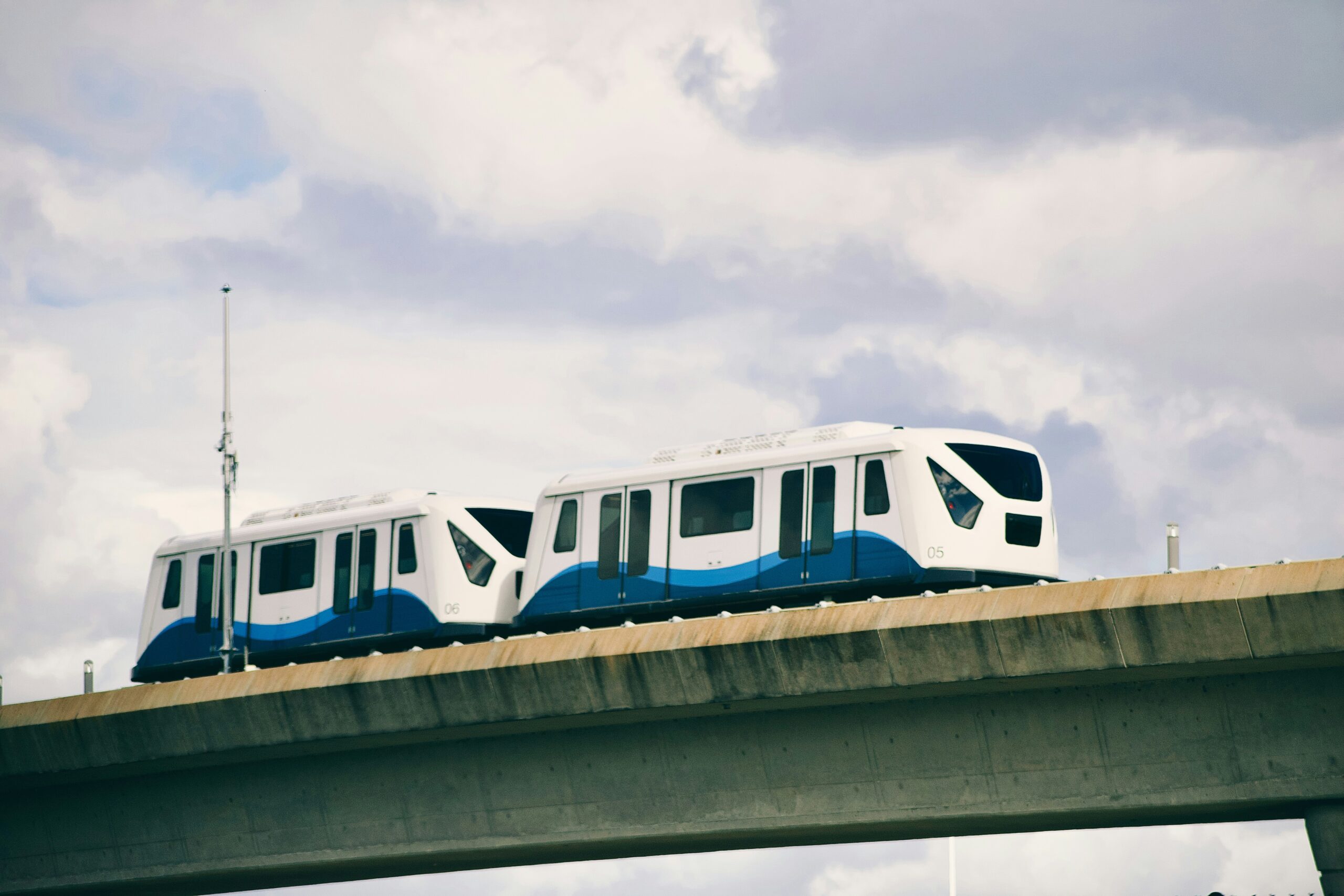
Transportation has always been a driving force behind human progress. From ancient trade routes to modern highways and rail systems, the ability to move people and goods efficiently has shaped economies, cultures, and cities. In recent years, rapid technological advancements and growing environmental concerns have accelerated the transformation of transportation systems worldwide. Today, modern mobility solutions are redefining how societies approach travel, logistics, and urban planning.
The transportation industry is experiencing a shift toward smarter, cleaner, and more efficient systems. Innovations such as electric vehicles, intelligent traffic management, and integrated mobility platforms are not only improving convenience but also addressing issues like congestion, pollution, and accessibility. As cities grow and populations increase, the demand for modern transportation solutions continues to rise, pushing governments and industries to adopt forward-thinking strategies that support sustainable mobility.
The Transformation of Transportation in the Digital Age
The digital revolution has had a significant impact on the transportation sector. Advanced technologies are enabling transportation systems to become more efficient, responsive, and user-friendly. One of the most notable developments is the integration of digital connectivity within transportation infrastructure.
Smart sensors and connected devices are now being used to collect real-time data on traffic patterns, vehicle movement, and road conditions. This data helps city planners and transportation authorities make informed decisions that improve traffic flow and reduce delays. Intelligent traffic management systems can adjust traffic signals dynamically, allowing vehicles to move more smoothly through busy urban areas.
Digital platforms have also changed the way people access transportation services. Mobile applications now allow users to plan trips, compare travel options, purchase tickets, and track transportation schedules in real time. This level of convenience has made modern mobility more accessible and efficient for commuters around the world.
Electric Vehicles and the Shift Toward Cleaner Mobility
Environmental sustainability is a major factor driving innovation in transportation. Traditional gasoline-powered vehicles contribute significantly to greenhouse gas emissions and air pollution. As a result, many countries are investing in cleaner alternatives such as electric vehicles.
Electric vehicles operate using rechargeable batteries instead of internal combustion engines. This technology reduces emissions and helps decrease reliance on fossil fuels. Many governments are supporting the transition to electric mobility by offering incentives, expanding charging infrastructure, and setting ambitious goals to phase out gasoline vehicles in the coming decades.
Automakers are also embracing the shift toward electric transportation. Major manufacturers are introducing new electric models that offer longer driving ranges, faster charging capabilities, and advanced safety features. As battery technology continues to improve, electric vehicles are becoming more practical and affordable for everyday consumers.
Public Transportation and Urban Mobility Solutions
Public transportation plays a critical role in modern transportation systems. Efficient public transit networks reduce traffic congestion, lower emissions, and provide affordable travel options for millions of people. Cities around the world are investing in improved transit infrastructure to meet growing urban mobility demands.
Subway systems, light rail networks, and bus rapid transit corridors help move large numbers of passengers quickly and efficiently. Modern public transit systems often include dedicated lanes, digital ticketing, and real-time passenger information to enhance the commuting experience.
Many cities are also redesigning transportation networks to prioritize sustainable mobility. Expanding bicycle infrastructure, improving pedestrian pathways, and creating car-free zones encourage residents to choose environmentally friendly travel options. These initiatives help reduce urban pollution while promoting healthier lifestyles.
The Rise of Autonomous Transportation Technology
Autonomous vehicle technology is another major development shaping the future of transportation. Self-driving vehicles rely on a combination of artificial intelligence, cameras, sensors, and radar systems to navigate roads without human input.
Autonomous transportation has the potential to improve road safety significantly. Human error is responsible for a large percentage of traffic accidents, and automated driving systems may help reduce these incidents. Self-driving vehicles can also optimize driving patterns, potentially reducing traffic congestion and improving fuel efficiency.
Several technology companies and automobile manufacturers are actively testing autonomous vehicles in controlled environments and selected cities. While widespread adoption may take time, continued advancements in artificial intelligence and machine learning are bringing autonomous mobility closer to reality.
Smart Infrastructure and Connected Transportation Networks
The concept of smart infrastructure is becoming increasingly important in modern transportation planning. Smart infrastructure uses digital technology and communication networks to improve the efficiency and safety of transportation systems.
Connected traffic signals, smart parking systems, and vehicle-to-infrastructure communication allow transportation networks to operate more intelligently. Vehicles can receive real-time information about traffic conditions, construction zones, and road hazards, helping drivers make better decisions on the road.
Connected transportation systems also play a key role in supporting autonomous vehicles. As vehicles become more automated, communication between vehicles and infrastructure will help ensure safe and coordinated movement across roads and highways.
Emerging Innovations Shaping the Future of Mobility
Several emerging technologies are expected to transform transportation further in the coming years. Urban air mobility is one of the most exciting developments in this field. Electric vertical takeoff and landing aircraft are being developed to transport passengers above congested city streets. These aircraft could provide fast and efficient travel between urban locations while reducing pressure on ground transportation networks.
High-speed rail systems are also gaining attention as sustainable alternatives to short-haul air travel. Advanced rail technologies allow trains to travel at extremely high speeds while maintaining energy efficiency and passenger comfort. Countries investing in high-speed rail networks can significantly reduce travel times between major cities.
Another emerging trend is the expansion of shared mobility services. Ride-sharing platforms, car-sharing programs, and shared electric scooters are offering flexible transportation options for urban residents. These services allow individuals to access transportation without owning a private vehicle.
Challenges and Opportunities in Modern Transportation
While modern transportation innovations offer many benefits, several challenges must be addressed to ensure successful implementation. Infrastructure development remains one of the most significant obstacles. Building and upgrading transportation networks require substantial investment and careful planning.
Cybersecurity is also becoming an important concern as transportation systems become more connected and reliant on digital technologies. Protecting transportation infrastructure from cyber threats is essential to maintaining safety and reliability.
Another challenge is ensuring that new mobility solutions remain accessible to everyone. Transportation systems must be designed to serve diverse communities, including rural populations, elderly citizens, and individuals with disabilities.
Despite these challenges, modern transportation innovations present enormous opportunities. By embracing sustainable technologies, intelligent infrastructure, and integrated mobility systems, societies can create transportation networks that are more efficient, environmentally friendly, and inclusive.
Transportation is entering a new era defined by technological innovation, environmental awareness, and smarter urban planning. From electric vehicles and autonomous driving technology to smart infrastructure and shared mobility platforms, modern transportation solutions are transforming how people travel and how cities function.
As governments, businesses, and researchers continue to invest in new mobility technologies, the future of transportation will become increasingly connected, efficient, and sustainable. These innovations have the potential to improve the quality of life, reduce environmental impact, and create transportation systems that meet the evolving needs of a rapidly changing world.