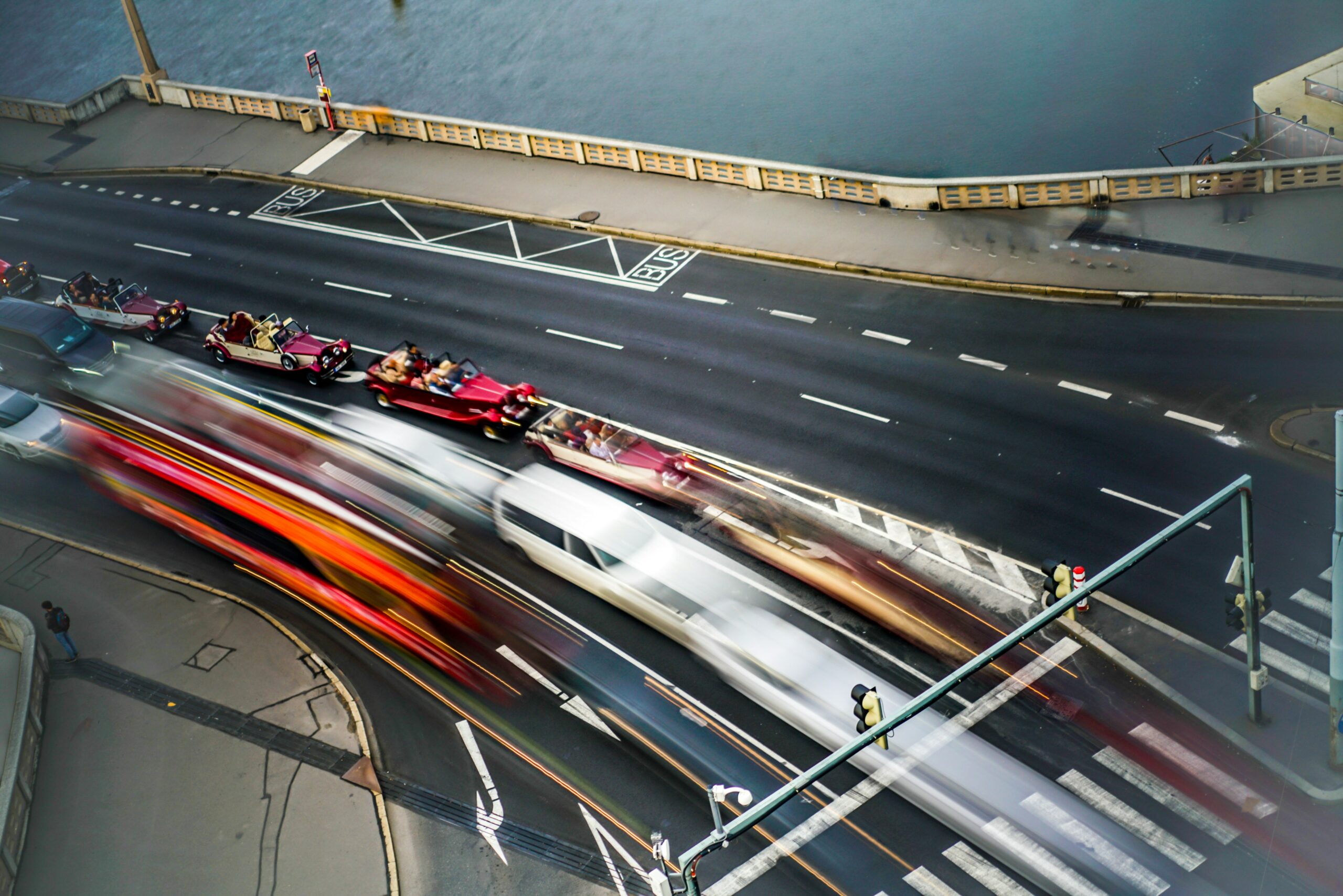
Transportation shapes daily life. It affects how people work, learn, shop, and connect. As cities grow and needs change, older systems often fall short. This is why modern transportation solutions are now a primary focus nationwide. These solutions aim to move people and goods in cleaner, safer, and more innovative ways. They also help communities save time and reduce costs.
This article explores how modern transportation solutions are changing travel today. It examines new tools, ideas, and systems shaping the future of movement.
Why Transportation Needs to Change
Many current transportation systems were built decades ago. Roads are crowded. Public transit can be slow or unreliable. Fuel costs remain high. These problems affect daily life and the economy.
Modern transportation solutions address these issues directly. They focus on efficiency, safety, and access. They also consider the environment and long-term growth. Change is no longer optional. It is necessary for healthy communities.
Cities now face higher populations and more vehicles. Without new solutions, traffic and pollution will continue to rise. Thoughtful planning and new technology offer a better path forward.
Electric Vehicles and Cleaner Travel
Electric vehicles play a key role in modern transportation solutions. They reduce air pollution and lower fuel costs. Many drivers now choose electric cars for daily travel.
Charging stations are expanding across cities and highways. This makes electric travel more practical. Buses and delivery fleets are also shifting to electric power. This reduces noise and improves air quality in busy areas.
Electric bikes and scooters add more options. They help people travel short distances without cars. These tools support cleaner streets and healthier lifestyles.
Public Transit Gets Smarter
Public transportation is changing fast. Modern transportation solutions improve the operation of buses, trains, and subways. Digital tracking helps riders plan trips with ease. Real-time updates reduce wait times and stress.
Cities now use smart signals to give buses priority at intersections. This keeps routes moving on time. New payment systems allow riders to pay with phones or cards. This speeds up boarding and improves access.
Transit agencies also design routes based on real data. This ensures service reaches the people who need it most. Better planning leads to better results for riders.
Shared Mobility Options Expand Access
Shared mobility is another key part of modern transportation solutions. Car, bike, and ride-sharing services offer flexible travel options. People no longer need to own a car to get around.
These services reduce the number of vehicles on the road. Fewer cars mean less traffic and lower emissions. Shared mobility also helps people save money on fuel, insurance, and maintenance.
Many cities support shared services through public partnerships. Dedicated lanes and parking areas help these programs succeed. Shared mobility creates choice and freedom for users.
Smart Infrastructure Supports Safer Roads
Modern transportation solutions rely on smart infrastructure. Sensors, cameras, and data systems help manage traffic flow. These tools reduce congestion and improve safety.
Bright traffic lights adjust based on real conditions. This keeps vehicles moving and reduces idle time. Road sensors detect hazards and alert drivers early. These systems prevent accidents and save lives.
Bridges and roads now use monitoring tools to track wear. Early repairs prevent failures and lower costs. Smart infrastructure makes transportation systems more reliable and resilient.
Technology Improves Freight and Delivery
Goods movement is vital to the economy. Modern transportation solutions improve how freight travels by road, rail, and sea. Better logistics reduce delays and waste.
Advanced routing software helps drivers choose efficient paths. This saves fuel and time. Electric delivery vans cut emissions in urban areas. Drones and robots may soon support short-distance delivery.
Ports and rail yards now use automation to speed up loading. These upgrades keep supply chains moving smoothly. Technology ensures goods arrive on time and at a lower cost.
Safer Streets for All Users
Safety is a core goal of modern transportation solutions. Streets must serve drivers, walkers, and cyclists alike. Many cities now redesign roads to protect all users.
Protected bike lanes reduce crashes and encourage cycling. Wider sidewalks improve access for families and older adults. Better lighting increases safety at night.
Traffic calming tools slow vehicles in busy areas. These include speed humps and narrowed lanes. Safer streets build trust and encourage more people to travel actively.
Policy and Planning Drive Progress
Technology alone cannot solve transportation challenges. Policy and planning play a vital role. Leaders must support modern transportation solutions by setting clear goals and providing funding.
Long-term planning helps cities grow wisely. Investments in transit and clean vehicles pay off over time. Public input ensures solutions meet real needs.
Firm policy also promotes fairness. Transportation systems should serve all communities. Access and affordability must guide every decision.
Looking Ahead to a Connected Future
Modern transportation solutions continue to evolve. Connected vehicles may soon communicate with roads and signals. This will improve safety and reduce delays.
Autonomous technology is also advancing. While full adoption may take time, early uses already exist. These tools promise greater efficiency and access.
The future of transportation depends on wise choices today. By investing in modern transportation solutions, communities can build systems that work for everyone.
Change is already underway. With careful planning and innovation, transportation can become cleaner, safer, and more reliable for generations to come.