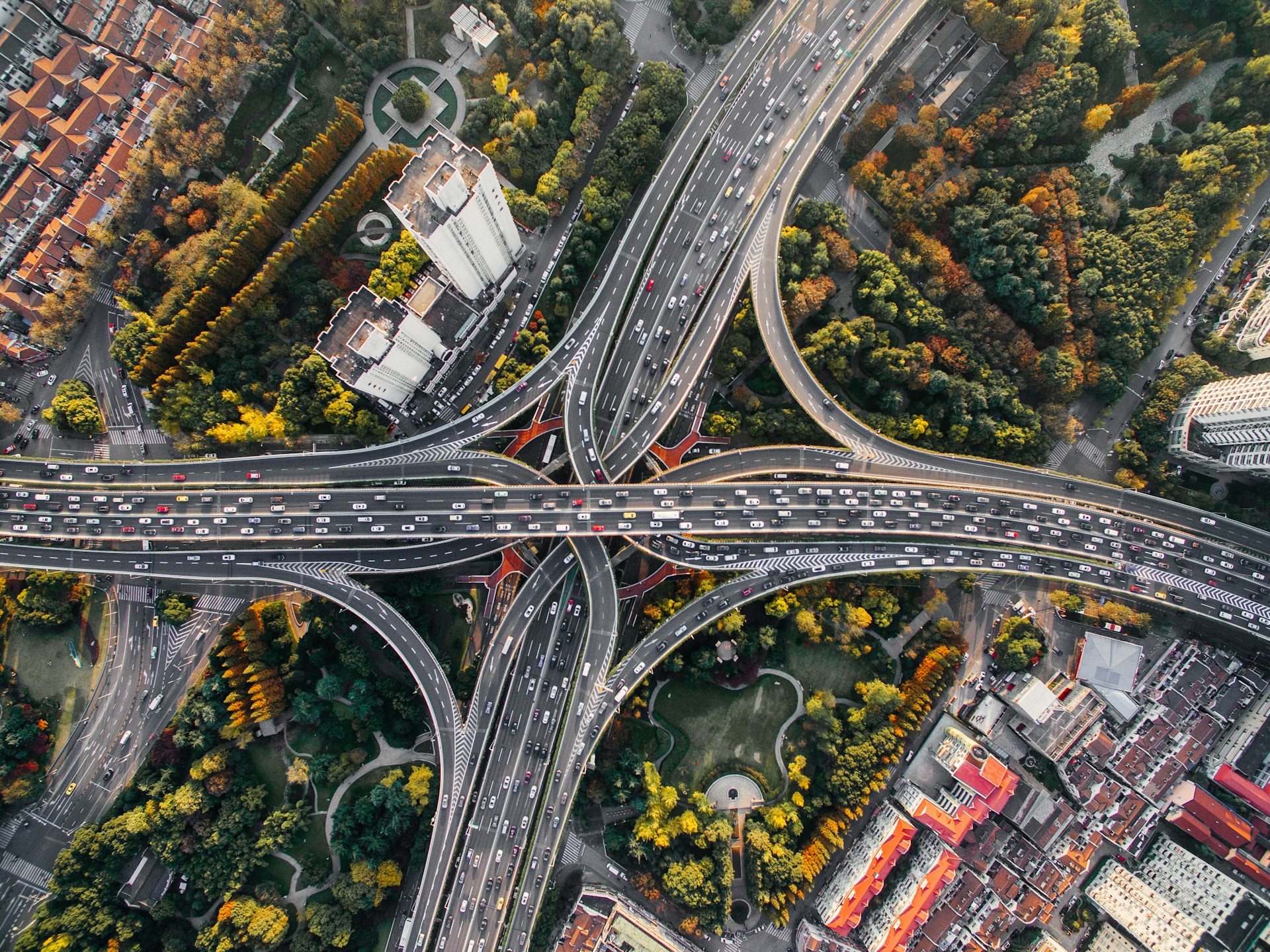
Efficient movement requires more than vehicles, roads, and schedules. It depends on coordinated planning, reliable information, and disciplined execution. An efficient transportation system connects demand with capacity while controlling cost, time, safety, and service quality. Strong systems adapt when traffic, weather, demand, or equipment problems disrupt operations. The goal is dependable mobility that supports communities and long-term growth.
Design Transportation Around Real Demand
Every effective network begins with understanding demand. Planners must know what moves, where trips start, and where they end. They also need data about timing, volume, distance, and expectations. Without that insight, organizations often add capacity in the wrong places.
Demand patterns change by hour, season, neighborhood, and customer. Static plans rarely stay efficient for long. Regular analysis helps managers adjust routes, schedules, and staffing before problems become expensive. Better forecasting also reduces empty miles, overcrowding, missed deliveries, and unnecessary waiting.
Build an Efficient Transportation System Through Coordination
Transportation performance improves when network components work toward shared goals. Roads, terminals, warehouses, transit services, and fleets should support one operating plan. Poor coordination creates delays even when individual components perform well.
A warehouse may load trucks quickly while dispatch schedules ignore urban congestion. Likewise, a bus operator may add vehicles without matching service to passenger demand. Integrated planning connects decisions and exposes trade-offs earlier. As a result, managers can improve total performance instead of optimizing one isolated activity.
Use Data for Better Routing and Scheduling
Transportation management depends on timely, useful data. GPS records, ticketing systems, shipment updates, traffic feeds, and maintenance logs reveal how networks perform. However, collecting data alone creates little value. Teams must convert information into decisions.
Routing tools can reduce travel distance and improve vehicle use. Meanwhile, scheduling systems can match departures with demand more accurately. Predictive analysis can identify recurring delays, maintenance risks, and capacity shortages. These insights help managers act before failures spread.
Balance Speed, Cost, and Reliability
The fastest transportation option is not always the best. High-speed service may increase fuel, labor, toll, or equipment costs. On the other hand, extreme cost cutting can damage reliability and customer trust. Strong systems balance several performance goals at once.
Managers should define service levels for different users and shipments. Urgent medical supplies may require premium handling, while routine freight may allow slower consolidation. Similarly, commuters value predictable arrival times as much as short travel times. Segmenting demand helps organizations spend resources where improvements create the most value.
Reliability deserves special attention because uncertainty creates hidden costs. Late arrivals can disrupt staffing, production, appointments, and inventory plans. Therefore, transportation efficiency should include consistency, not only average speed. A dependable network allows users to plan with confidence.
Strengthen Capacity Without Creating Waste
Capacity planning determines whether a system can handle demand without excessive idle resources. Too little capacity causes congestion, missed trips, and service failures. Too much capacity raises costs and leaves expensive assets underused. The best approach creates flexibility.
Flexible capacity can come from shared fleets, variable schedules, contract carriers, or temporary service increases. Cross-trained employees can also help during demand spikes. Organizations can also reserve backup equipment for critical routes instead of duplicating capacity everywhere.
Infrastructure decisions require similar discipline. Expanding roads or terminals may solve one bottleneck while creating another. Before investing, planners should test scheduling changes, consolidation, demand management, or better transfer points. Smaller operational improvements can sometimes deliver faster returns than major construction.
Make Safety and Maintenance Core Priorities
Efficient movement depends on safe, dependable equipment and infrastructure. Breakdowns create delays, emergency costs, missed connections, and reputational damage. Preventive maintenance reduces those risks and extends asset life. It also supports more accurate scheduling.
Safety programs should address driver behavior, vehicle condition, loading practices, passenger movement, and workplace procedures. Training must stay practical and connected to real operating risks. Managers should also review incidents for patterns rather than treating each event separately.
Connect Technology With Human Judgment
Automation can improve dispatching, routing, tracking, ticketing, and communication. Yet technology works best when employees understand the operating goals behind it. A sophisticated system cannot fix unclear policies or poor data.
Leaders should introduce tools that solve specific transportation problems. They should train users, monitor results, and adjust workflows after implementation. Frontline employees often notice issues that dashboards miss. Their feedback can reveal unrealistic schedules, unsafe routing choices, or customer needs.
Create a Network That Improves Over Time
Transportation systems face constant change from growth, regulations, fuel costs, technology, and customer expectations. Therefore, long-term efficiency depends on continuous improvement. Managers should track focused measures, including cost, reliability, utilization, safety, and service quality.
Performance reviews should lead to action. If delays rise, teams should identify causes before adding resources. If vehicles remain underused, planners should examine schedules, route design, or demand assumptions. Small, regular corrections prevent larger problems later.
An efficient transportation system combines planning, coordination, data, people, and disciplined investment. It moves goods and people with fewer delays and better resource use. Dependable connections support economic activity and daily life. Managing the network as one system turns efficiency into a lasting capability.