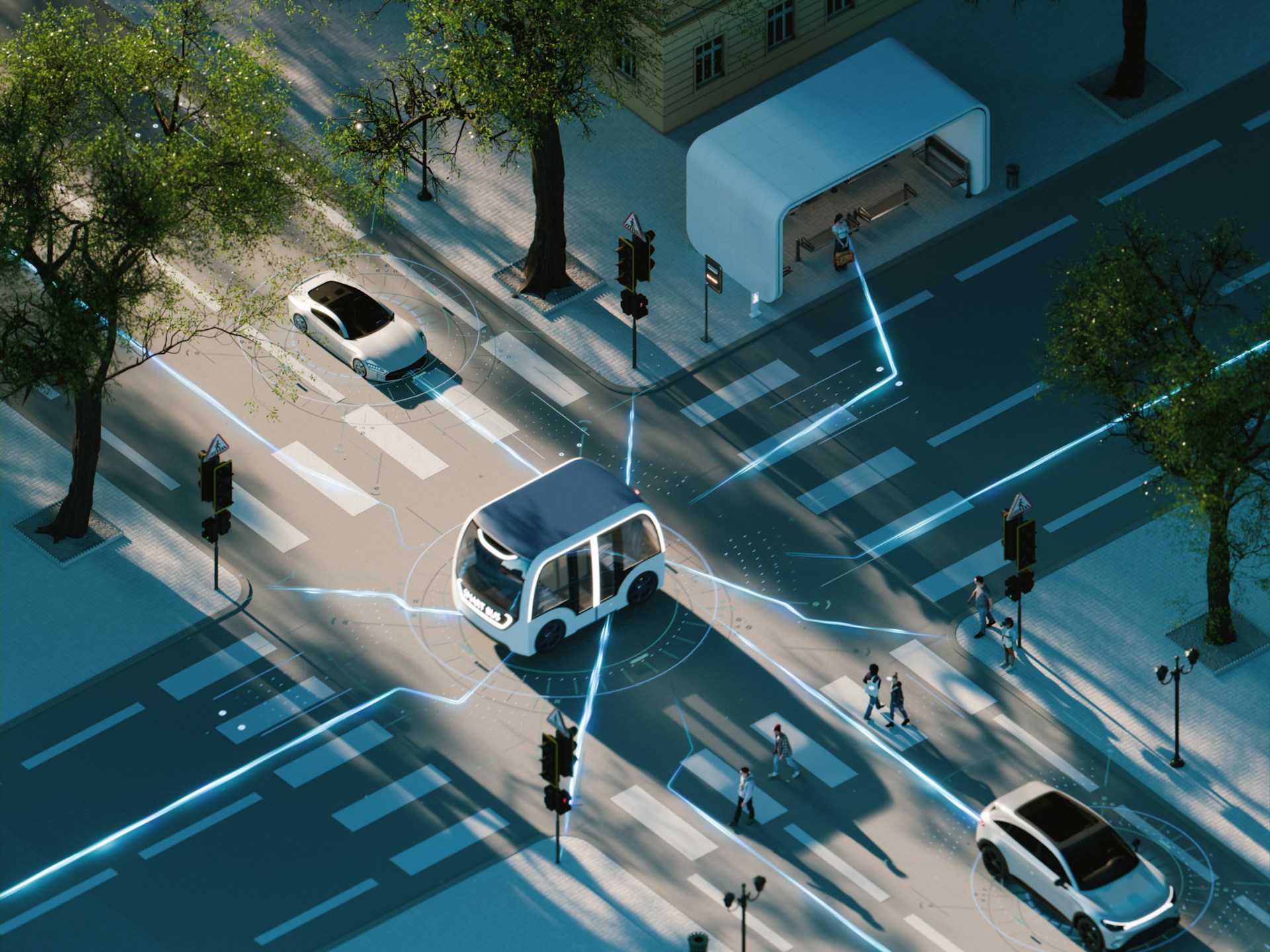
Transportation is evolving fast, and cities around the world are adapting to new demands. People want faster, cleaner, and more efficient ways to move from one place to another. As a result, innovation has taken center stage in shaping how we travel today. The rise of sustainable transport innovation shows how technology and smart planning are improving mobility while reducing environmental impact.
At the same time, governments and private companies are working together to build smarter systems. From electric vehicles to shared mobility, these changes aim to address common problems such as traffic congestion and pollution. Because of this, modern transportation is not just about getting from point A to point B; it is about creating a better experience for everyone.
Electric Vehicles Leading the Shift
Electric vehicles have become a key part of modern transportation. More drivers are now choosing EVs because they offer lower emissions and lower fuel costs. In addition, many countries support EV adoption through incentives and improved charging infrastructure.
Car manufacturers are also investing heavily in electric technology. Companies like Tesla, Ford, and GM continue to release new models with better range and performance. As a result, electric vehicles are becoming more accessible to everyday users. Charging stations are expanding, making long-distance travel easier.
Furthermore, EVs help reduce air pollution in cities. This benefit improves public health and supports climate goals. Because of these advantages, electric vehicles will likely play a major role in the future of transportation.
Public Transportation Gets Smarter
Public transportation systems are also evolving to meet modern needs. Cities are upgrading buses, trains, and metro systems with digital tools and cleaner energy sources. These upgrades improve efficiency and make travel more convenient.
For example, many transit systems now use mobile apps for ticketing and route planning. Riders can check schedules in real time, reducing wait time. In addition, electric buses and hybrid trains are replacing older models. This shift lowers emissions and operating costs.
Moreover, smart traffic management systems help reduce delays. Sensors and data analytics allow cities to adjust traffic flow in real time. As a result, commuters enjoy faster and smoother journeys. Public transportation is becoming a reliable and eco-friendly option for many people.
Rise of Shared Mobility Services
Shared mobility has changed how people think about transportation. Instead of owning a vehicle, many individuals now use services like ride-sharing, bike-sharing, and car rentals. This approach saves money and reduces the number of vehicles on the road.
Companies like Uber and Lyft have made ride-sharing popular worldwide. At the same time, bike-sharing and scooter services offer quick solutions for short trips. These options are especially useful in crowded urban areas.
In the middle of this transformation, urban mobility solutions are gaining attention. Cities are designing infrastructure to support shared transportation, such as bike lanes and designated pickup zones. Because of this, shared mobility continues to grow as a practical and flexible option.
Autonomous Vehicles and the Future of Driving
Autonomous vehicles represent one of the most exciting developments in transportation. These self-driving cars use sensors, cameras, and artificial intelligence to navigate roads without human input. Although the technology is still developing, progress has been impressive.
Several companies are testing autonomous vehicles in real-world conditions. These tests aim to improve safety and reliability. If successful, self-driving cars could reduce accidents caused by human error.
Additionally, autonomous vehicles may improve traffic flow. They can communicate with each other and adjust speed based on conditions. This coordination could reduce congestion and make roads safer. While challenges remain, the future of autonomous driving looks promising.
High-Speed Rail and Sustainable Travel
High-speed rail systems are gaining popularity as an alternative to air travel. These trains offer fast, efficient, and comfortable journeys between cities. Countries like Japan and France have already shown how effective high-speed rail can be.
New projects are emerging in other regions as well. These systems aim to reduce travel time while lowering carbon emissions. Compared to airplanes, trains produce fewer emissions per passenger.
Furthermore, high-speed rail can boost economic growth. It connects cities and regions, making travel easier for business and tourism. As a result, more governments are investing in rail infrastructure as part of their transportation strategies.
The Role of Technology in Modern Transportation
Technology plays a central role in transforming transportation systems. Innovations like artificial intelligence, big data, and the Internet of Things help improve efficiency and safety. These tools allow systems to adapt quickly to changing conditions.
For instance, navigation apps use real-time data to suggest the fastest routes. This feature helps drivers avoid traffic and save time. Similarly, smart parking systems guide drivers to available spaces, reducing frustration.
In addition, data analytics helps cities plan better infrastructure. By studying travel patterns, planners can design systems that meet actual needs. Because of this, technology continues to shape smarter and more responsive transportation networks.
Challenges Facing Modern Transportation
Despite these advancements, modern transportation still faces challenges. Infrastructure development requires significant investment, which can slow progress. In some areas, outdated systems need major upgrades before new solutions can be implemented.
Another challenge is accessibility. Not all communities have equal access to advanced transportation options. Bridging this gap remains a priority for policymakers and planners.
Moreover, cybersecurity has become a concern as systems rely more on digital tools. Protecting data and ensuring system safety are essential for maintaining public trust. Addressing these challenges will be key to achieving long-term success.
The Road Ahead for Transportation Innovation
In conclusion, the journey toward better mobility is ongoing. The growth of future transport systems highlights the importance of innovation and adaptability. As these solutions evolve, they will redefine how we move and connect in a rapidly changing world.
The future of transportation looks bright, but it requires continued effort and collaboration. Governments, businesses, and communities must work together to create efficient and sustainable systems. With the right approach, transportation can become safer, cleaner, and more accessible.
Emerging technologies will continue to drive change. Electric vehicles, autonomous systems, and smart infrastructure will shape how people travel in the coming years. At the same time, public awareness and support will be crucial.